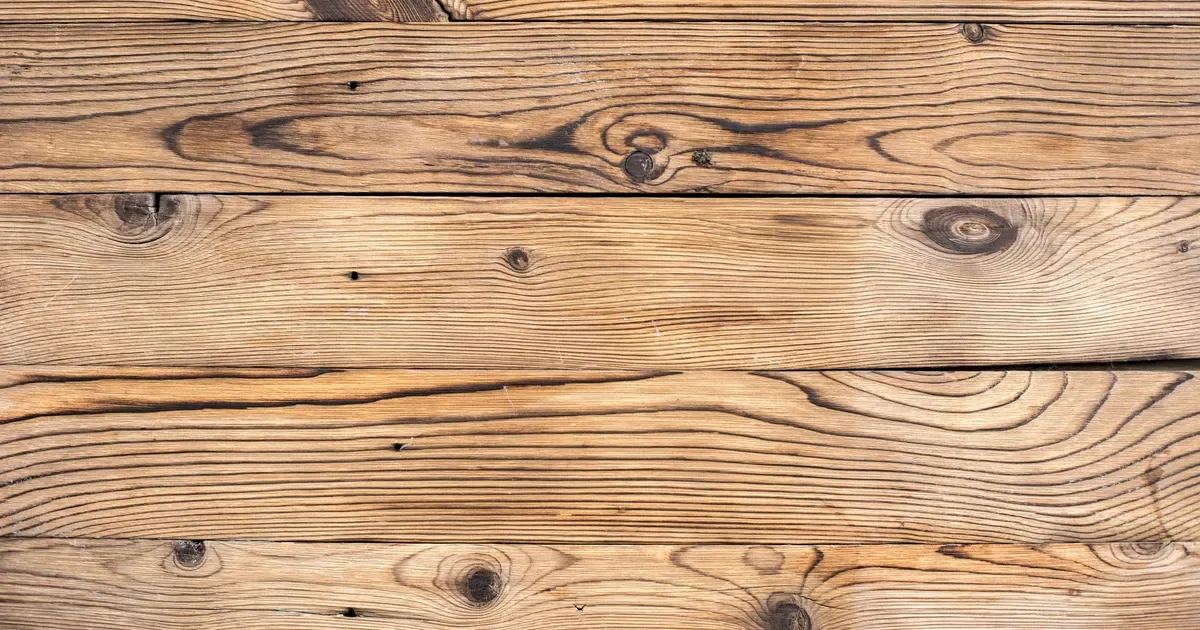
A surface treatment is the shape given to the face of an oak board before any stain or topcoat goes on. It is often chosen last, but it decides how the color reads, how much everyday wear shows, how the floor is cleaned and what happens when the floor is eventually sanded. This guide sets out the main surface treatments used on oak flooring, from a smooth sanded face to deliberately distressed boards, compares what each one shows and hides, and points to the detailed article for each. It also makes clear which treatments are listed on our Specify page and which are requests confirmed at quotation.
Surface treatment and finish are two different things
Surface treatment is mechanical. Sanding, brushing, scraping, sawing and distressing all work on the oak itself, removing or reshaping wood. Finish is applied afterwards: stain, oil or lacquer laid onto the surface that the treatment has left. Sheen belongs to the finish, not to the texture.
Keeping the two apart in an RFQ avoids confusion: “natural finish” can mean a smooth board under a clear coat or a lightly brushed board under a low sheen. Three consequences follow from the fact that texture is cut into the wood:
- It lasts as long as the surface. Texture does not wear off the way a coating does. It is removed only when the floor is sanded.
- It changes how the finish behaves. Stain collects in the low points and reads darker there, and relief breaks up reflections so the sheen looks lower.
- It is decided at the factory. On a prefinished floor, the texture is part of the board when it arrives on site.
At Vu Uy Wood, texture is worked into the wood before finishing. Stain and topcoat are then applied and UV-cured on our finishing line, as shown on the Production page.
The main treatments at a glance
| Treatment | How it is made | What it shows | What it tends to hide | On our Specify page |
|---|---|---|---|---|
| Smooth | Sanded flat, grain left closed | Grain as color and pattern, even tone | Very little | Listed |
| Light Wire Brushed | Light brushing along the grain | A texture felt more than seen | A little surface glare | Listed |
| Medium Wire Brushed | Balanced brushing level | Visible texture, restrained look | Light everyday marks | Listed |
| Wire Brushed | Deeper brushing that opens the grain | Strong grain relief | Light marks and minor scuffs | Listed |
| Wire Brushed with Cross Marks | Brushed, then cross-worked | Irregular, hand-worked surface | Marks in several directions | Listed |
| Hand-scraped | Hand tool worked over each board | Uneven cuts, soft ridges, eased edges | Dents and wear patterns | Confirmed at quotation |
| Saw mark | Saw lines kept or recreated on the face | Lines or arcs across the width | Fine scratches | Confirmed at quotation |
| Distressed | Chatter, nail and wormhole marks, dents, worked edges | An aged, used surface | Most new damage | Confirmed at quotation |
The “hides” column describes appearance only. A texture does not make the finish stronger; it changes how visible a mark is.
Smooth
A smooth board is sanded flat so the grain stays closed. The color reads evenly, the grain shows as pattern rather than relief, and the floor looks calm and architectural. It is the natural partner for Premium and Select grades, formal patterns and contemporary interiors.
The trade-off is visibility. With nothing to break up reflections, a smooth floor shows fine scratches, dust and footprints most readily, especially in darker colors and under raking light from a large window. A lower sheen helps, because it softens the reflections that make those marks stand out.
Wire brushing, from light to deep
Wire brushing removes softer wood from between the harder growth rings, so the harder grain stands slightly proud and the pores open. The four brushed options on our Specify page step up in depth: Light Wire Brushed, Medium Wire Brushed, Wire Brushed, and Wire Brushed with Cross Marks, which is brushed and then cross-worked for a more irregular surface.
Brushing is the most controlled of the textured treatments, so it is the usual choice when a project needs the same texture over a large area or across several delivery phases. Deeper brushing adds grain contrast under a stain and hides light marks better, but holds more fine dirt in the grain. Our article on wire-brushing levels covers each level in detail.
Hand-scraped
A hand-scraped floor is worked with a hand tool such as a scraper or drawknife, so cuts vary in length, depth and direction and no two boards are alike. The term is also used loosely for machine-made imitations, which repeat more over a large area. It suits lived-in interiors where variation is the point, and it takes material out of the wear layer, so it is specified together with construction. See hand-scraped oak flooring for how the surface is built up and specified.
Saw mark
A saw mark floor keeps, or recreates, the lines left by a band saw or the arcs left by a circular saw. It gives an architectural, timber-yard look that is more regular than hand scraping and rougher than brushing. Our article on saw mark oak flooring covers the two routes and what they ask of a sawn wear layer.
Distressed
Distressing covers a family of effects that make a new floor look old: chatter marks, simulated nail holes and wormholes, dents, gouges and worn edges. It is the treatment with the widest range of interpretations, so it needs the most careful description in an RFQ and the most careful sample review. Our article on distressed oak flooring textures describes each effect, where it suits and the risks to plan for.
How texture works with grade, color and sheen
- Grade. A quiet Premium face suits Smooth or Light Wire Brushed. Natural and Rustic faces carry deeper texture well, because the knots and the texture support each other.
- Color. Open grain takes more stain, so the same color reads deeper and more figured on a brushed or worked surface than on a smooth one. Pale colors gain fine grain lines; dark colors gain relief and highlights.
- Sheen. Texture already scatters light, so a textured board looks lower in sheen than a smooth one with the same topcoat. Low sheens keep attention on the grain rather than on reflections in the low points.
The conclusion is the same for every treatment: a color code is only fully defined together with its texture, sheen, grade and finish system.
Upkeep and refinishing
Smooth floors shed dirt easily but show marks. Textured floors disguise marks but hold fine dust in the low points, so a regular dry clean matters more, and the holes in a distressed floor can hold a spill that is left.
When a floor is later sanded back for refinishing, the sanding removes the texture along with the finish. Recreating a brushed or worked surface on site is a separate job for the finisher. If the texture is central to the design, choose a construction with enough wear layer for both the texture and a future sanding. Wear layer options on our pages are 1/16” (2mm), 1/8” (3mm), 5/32” (4mm) and 1/4” (6mm) sawn, with other thicknesses made to order.
Writing the treatment into the specification
- Use the exact name from the supplier’s list, not a general word such as “rustic” or “textured”.
- For a treatment outside the list, describe it in plain terms: depth, direction and how much variation board to board is acceptable.
- State the construction and wear layer together with the texture.
- Give sheen and finish system on the same line.
- Send a physical reference board if you have one; photographs hide depth.
- Approve several boards from the sample set, made with the intended production texture and finish.
Working with Vu Uy Wood
Vu Uy Wood manufactures made-to-order solid and engineered French White Oak flooring in Song Than 3 Industrial Park, Ho Chi Minh City, and has done so since 2006. Smooth and four wire-brushed surfaces are listed on the Specify page, where texture, sheen and finish are chosen together. For a hand-scraped, saw mark or distressed surface, send a reference board with your inquiry; whether it can be produced is confirmed at quotation and on an approved sample. We normally reply within one working day.