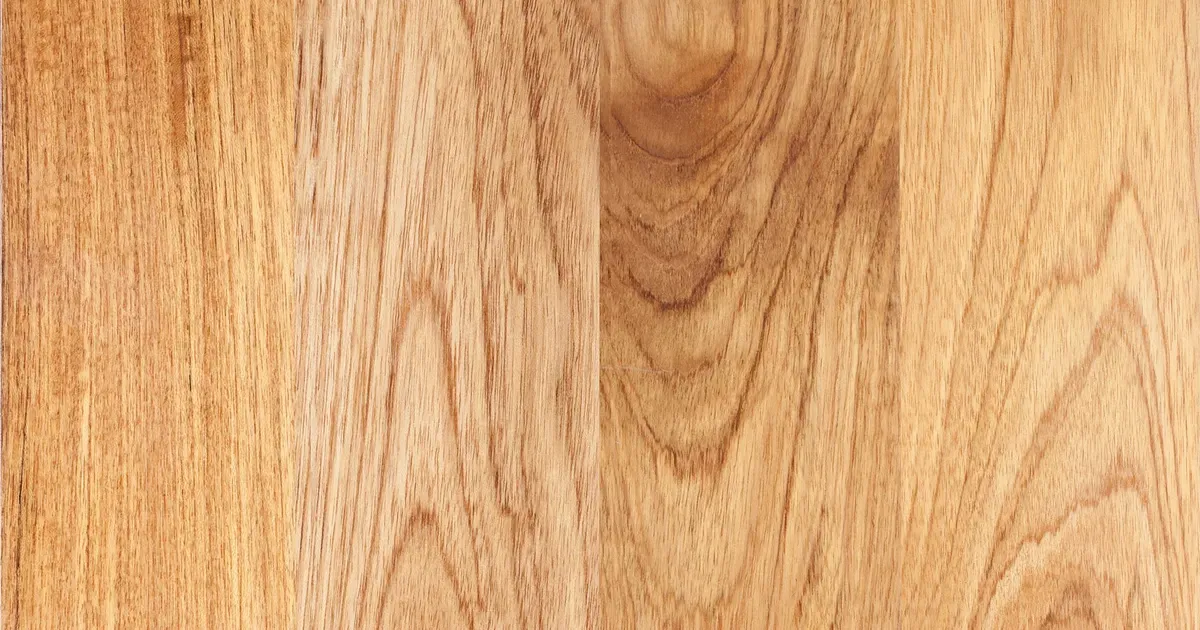
“Oak flooring” covers two timber groups that look alike in a photograph and behave differently on a finishing line. White oak and red oak are both species of the genus Quercus, both hard enough for floors, and both widely used. They differ in natural color, in the structure of their pores, in tannin content and in how they respond to stain. Those differences decide which colors a floor can reach and how predictable the result is. This guide compares the two for buyers and specifiers, and explains why the Vu Uy Wood range is built on French White Oak.
Two groups, not two species
Botanists divide oaks into sections, and the two that matter for flooring are the white oaks and the red oaks. Each group contains many species.
- White oak group. In flooring, this usually means American white oak (Quercus alba) or European white oak (Quercus robur and Quercus petraea). French white oak is European white oak grown in France.
- Red oak group. Northern red oak (Quercus rubra) is the best-known flooring species, with several related species sold under the same trade name.
Because the trade names cover groups, a quote for “red oak” or “white oak” can include more than one species. For most floors this is normal. What matters is that the buyer knows which group the face timber belongs to, since the group decides how the finish will behave.
The differences at a glance
| Property | White oak | Red oak |
|---|---|---|
| Natural heartwood color | Pale cream to light tan, olive to brown tones | Light brown with a pink to reddish cast |
| Pores | Largely blocked by tyloses | Open |
| Grain figure | Tighter, more even | More pronounced, more open |
| Rays | Longer, giving stronger fleck on quarter sawn faces | Shorter rays, less fleck |
| Tannin | High | Lower |
| Response to ammonia fuming | Strong, even darkening | Weaker |
| Base for gray and greige stains | Works well with sampling | Pink undertone tends to show through |
Each row is a general tendency of the group. Individual trees vary, and the approved sample is the only reliable reference for a given floor.
Natural color
The most visible difference is undertone. Red oak heartwood carries a pink to reddish cast that stays visible under clear finishes and light stains. White oak is more neutral, from pale cream to light tan, with olive and brown tones and a slight warmth.
For a clear or natural-look floor, this means red oak reads warmer and redder, and white oak reads calmer and more neutral. For a stained floor, the undertone sits under the stain. A light gray stain on red oak can lean pink or lavender, while the same stain on white oak is more likely to read as a true gray or greige. Gray floors on white oak still need careful sampling, as our guide to gray and greige oak flooring explains, but the starting point is easier.
Pores and grain
Inside white oak heartwood, the pores are largely plugged by growths called tyloses. In red oak the pores stay open. This structural difference has practical results.
- Liquid uptake. Open pores take liquid deeper and faster. Red oak can absorb stain more aggressively in the porous earlywood, which strengthens grain contrast.
- Moisture. The blocked pores of white oak slow the movement of water into the wood. This is the reason white oak has long been used for barrels. It does not make a white oak floor resistant to standing water, and the finish and the joints still decide how a floor copes with a spill.
- Grain figure. Red oak usually shows a stronger, more open grain pattern. White oak shows a tighter figure, and on rift and quarter faces its longer rays produce the ray fleck many designers ask for.
How the log is sawn changes the look as much as the group does. Our guide to rift and quarter against plain sawn oak compares the cuts.
Hardness
The two groups are close in hardness. Widely published Janka averages place American white oak slightly above red oak, and European white oak falls in the same general band. In practice, the difference between the two is small compared with the effect of construction, wear layer, finish and texture on how a floor dents and wears. Our article on white oak Janka hardness sets out what the number does and does not predict.
Tannin and reactive finishes
White oak is rich in tannin. Tannin reacts with ammonia, with iron and with alkaline products, which is what makes fumed, smoked and ebonized oak possible. Red oak contains less tannin, so it responds more weakly to these reactions.
This matters most for effect finishes. Smoke, wash and two-tone looks depend on how the timber reacts unevenly across its grain, and white oak gives a fuller response. It also matters for site finishing, since tannin can bleed into water-based products if the finish system does not allow for it. The article on oak tannin and floor finishes covers testing and specification.
Stain response in practice
| Target look | On white oak | On red oak |
|---|---|---|
| Clear, natural | Neutral, pale to tan | Warm, with a pink cast |
| Light gray or greige | Achievable, needs sampling | Undertone often shows through |
| Mid brown | Even, with grain visible | Rich, with stronger grain contrast |
| Dark brown or black | Deep, even color | Deep, with pronounced open grain |
| Smoked or fumed | Strong reaction | Weaker reaction |
Neither group is wrong for brown and dark stains. Red oak can give a rich, traditional dark floor. The difference shows at the light, neutral and effect end of the palette.
Why Vu Uy Wood works in French White Oak
Our range is built on one species group, run as the standard for solid and engineered boards. The reasons are practical.
- A neutral base for a wide palette. Our library holds 211 colors in seven collections, from clear oak to deep smoked tones, grays and greiges. A neutral base gives that range more predictable results.
- Effect finishes. The Color and Effect UV route uses the way white oak reacts across its grain.
- Texture. Oak’s ring-porous structure suits wire brushing, from Light Wire Brushed to Wire Brushed with Cross Marks.
- Consistency. Sorting one species group by grain and color before production keeps a grade meaningful across a lot and across repeat orders.
A buyer who needs red oak or another species should say so in the inquiry, and the answer is confirmed at quotation.
When the choice is already made for you
On renovations and extensions, the existing floor often decides the species. A new white oak floor laid next to an old red oak floor will rarely match under a clear finish, because the undertones differ. If the new floor must meet an existing one at a threshold, send a board or a clear photograph of it with the inquiry, and plan the color around the existing floor. Where a seamless match is required, a transition strip or a deliberate change of direction can be a better answer than a near miss.
What to write in the specification
- The species group and, where it matters, the species: for example “French White Oak (Quercus robur or petraea)”.
- The cut: rift and quarter, plain sawn or mixed.
- The grade and the color reference, approved together on a finished sample.
- For site finishes, the finish system and the maker’s guidance for the species.
The other lines of the floor are in the engineered oak flooring specifications guide.
Working with Vu Uy Wood
Vu Uy Wood manufactures solid and engineered French White Oak flooring to buyer specification in Song Than 3 Industrial Park, Ho Chi Minh City, and has done so since 2006. The Colors page shows the 211-color library on white oak, and the Specify page sets construction, grade, texture and finish around it. We normally reply within one working day.